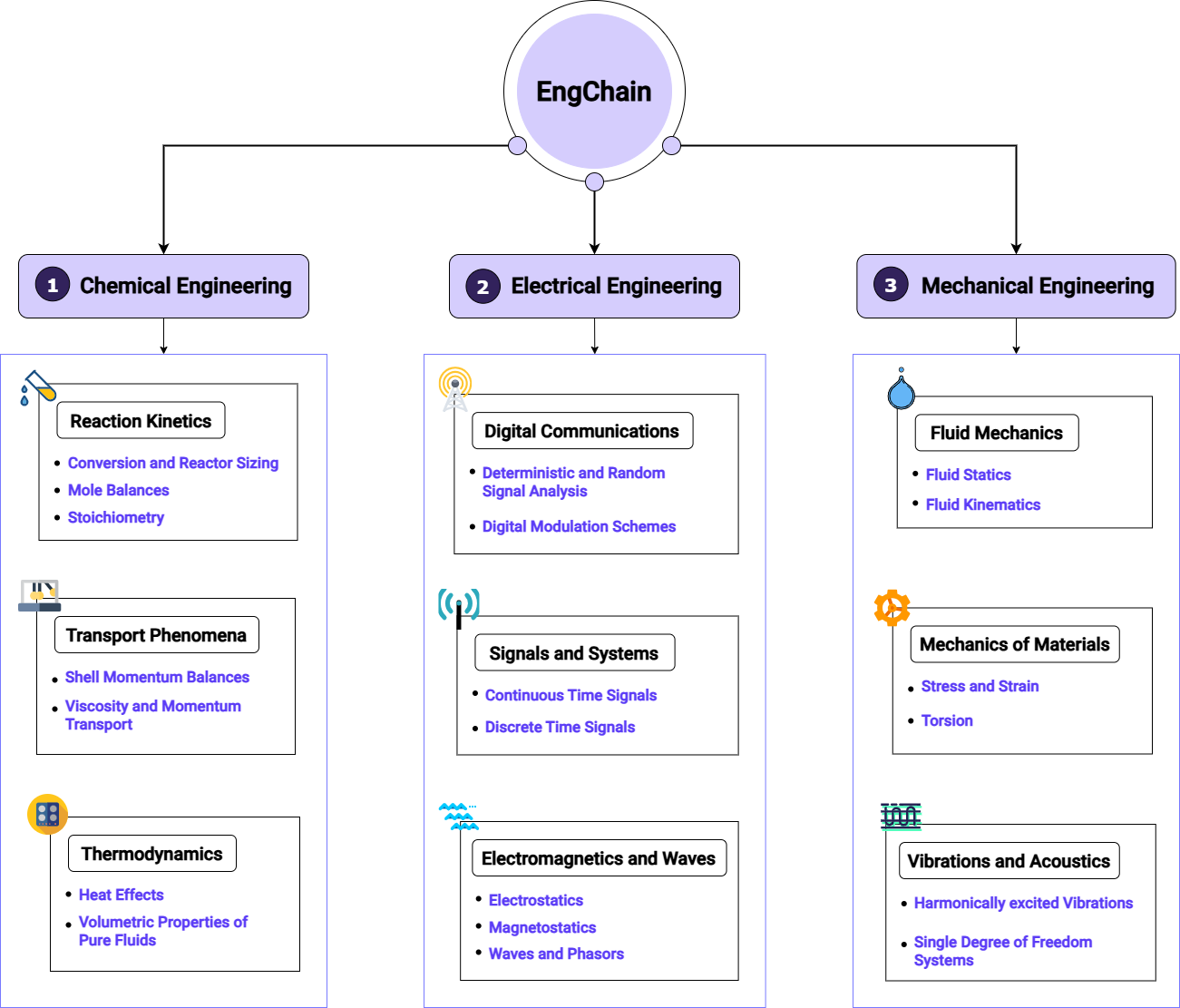
EngTrace's hierarchical taxonomy spans 9 core domains across 3 engineering branches, covering 20 distinct areas.
Overview and Generation Pipeline
EngTrace is built upon 90 parameterized symbolic templates across 9 core engineering domains and 3 branches, generating 1,350 unique test cases. Difficulty is calibrated along three axes: Conceptual Complexity, Mathematical Sophistication, and Procedural Depth. Domain-aware parameterization ensures physical realism, while symbolic generation makes problems resistant to data contamination.
Every template was validated through a two-stage quality assurance process. An AI Tribunal of three frontier models (GPT-5, Claude Opus 4.5, Gemini 3) first screened each template against a strict multi-axis rubric using median score, majority-vote, and disagreement thresholds. Templates passing this stage then underwent double-blind expert certification, establishing EngTrace as a high-fidelity gold-standard benchmark.
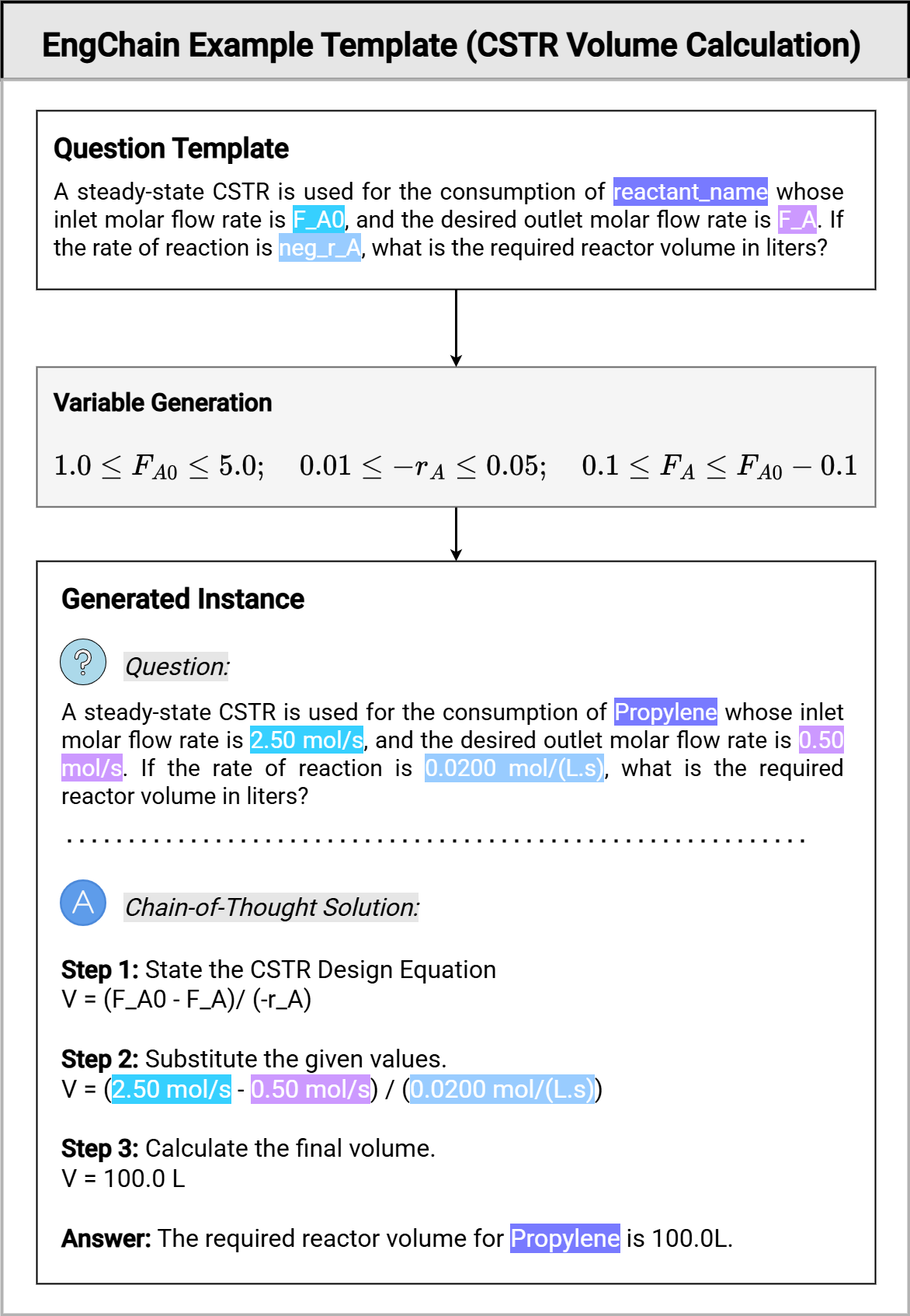
Figure 2: EngTrace example template (CSTR Volume Calculation).
A Two-Stage Verifiable Evaluation Framework
We move beyond final-answer accuracy with a tiered verification protocol. Tier 1 performs automated symbolic verification: a reasoning step is valid only if it satisfies both numerical correctness (≤2% relative error) and semantic similarity (Cross-Encoder threshold ≥0.7). If ≥80% of steps pass Tier 1 and the final answer is correct, the chain is accepted immediately.
Chains falling below this threshold are escalated to Tier 2, where the same heterogeneous AI Tribunal assesses whether discrepancies represent valid alternative derivations, calculation errors, or conceptual errors. This yields a Recovered Reasoning F1 score (F1rec), computed via Hungarian optimal step-alignment, that fairly credits alternative valid solution paths without penalizing sound but non-canonical reasoning.
Results
Across 27 LLMs spanning frontier, open-weights, and math-enhanced categories, frontier models lead overall: Gemini 3.1 Pro tops Final Answer Accuracy (65.41%) while DeepSeek R1 leads Reasoning F1 (44.41%). Open-weights models lag substantially on both metrics despite competitive semantic scores. Math-enhanced 7B models underperform general-purpose counterparts of equivalent size, confirming that abstract mathematical pre-training does not transfer to physically constrained engineering reasoning.
Overall Model Performance
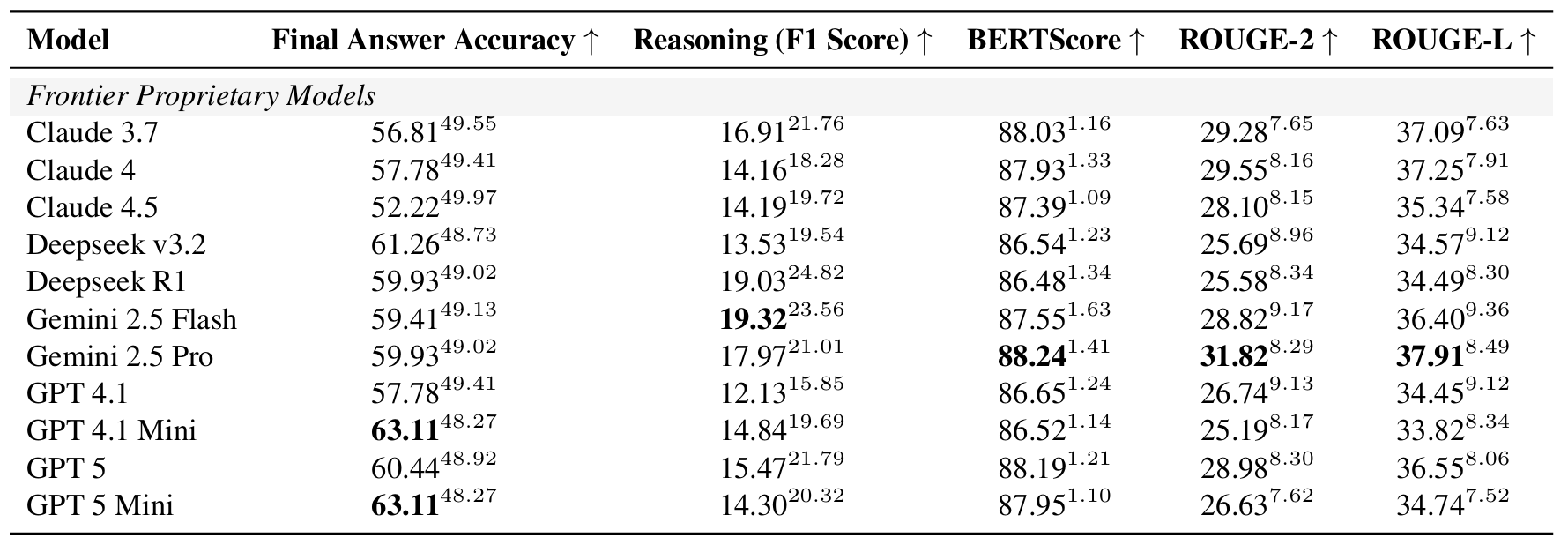
Table 1: Overall Performance of 27 Models on the EngTrace benchmark (N=1350).
Branch-Level Performance
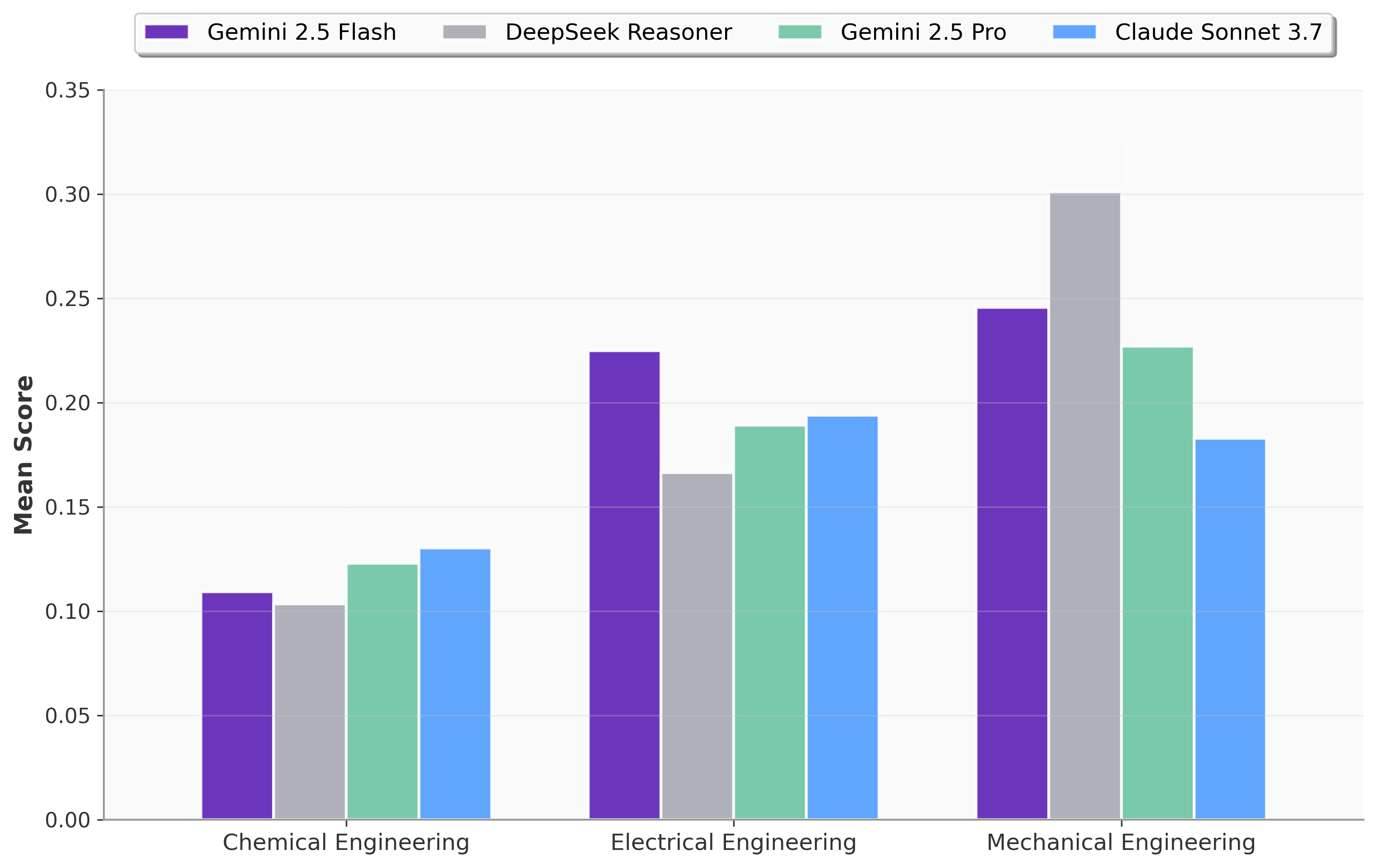
Figure 3: Chemical Engineering is hardest; Mechanical the most accessible — consistent across all model families.
Domain-Level Performance
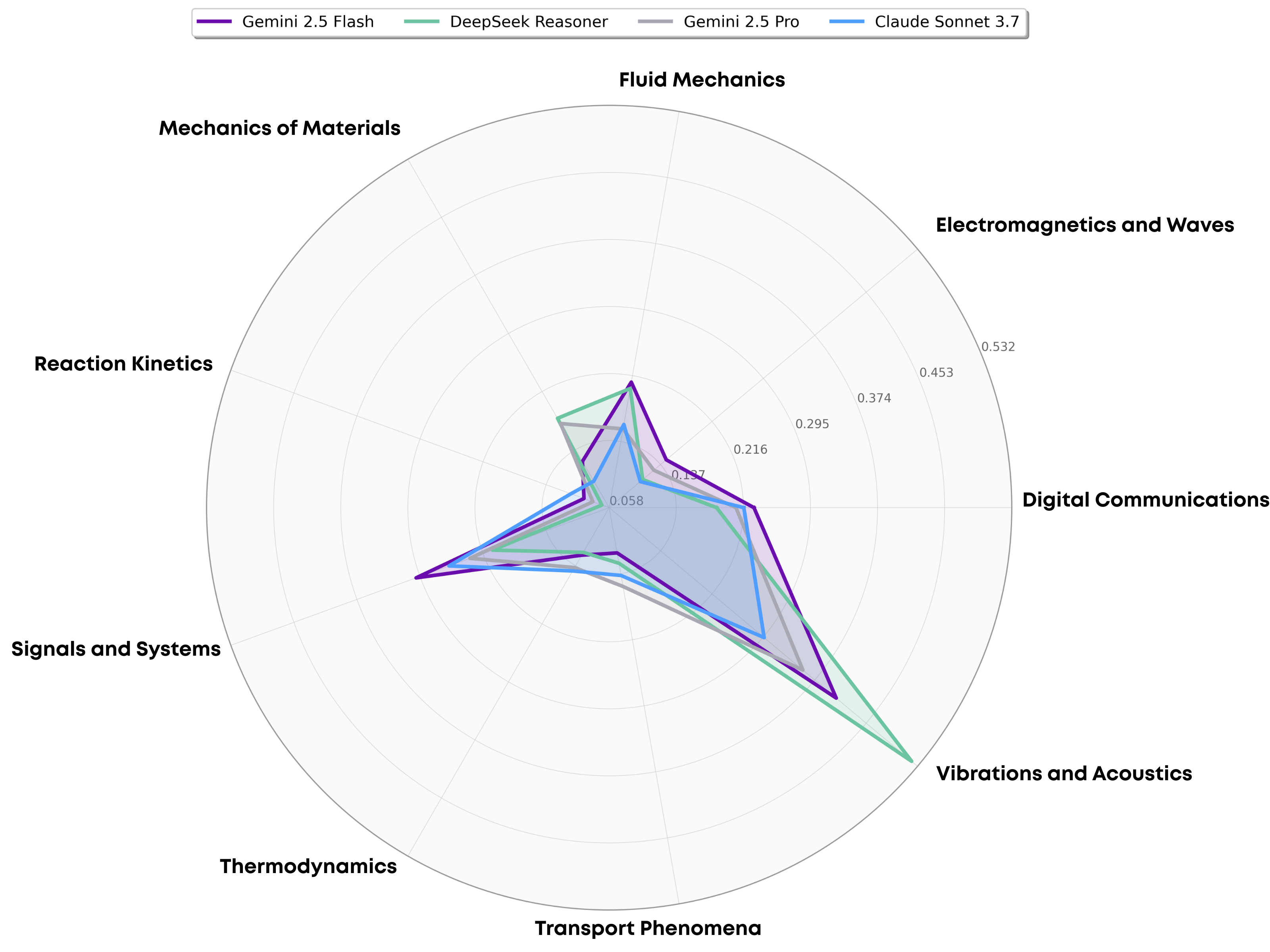
Figure 4: The spiky profile reveals specialization rather than generalized engineering reasoning.
Performance Across Difficulty Levels
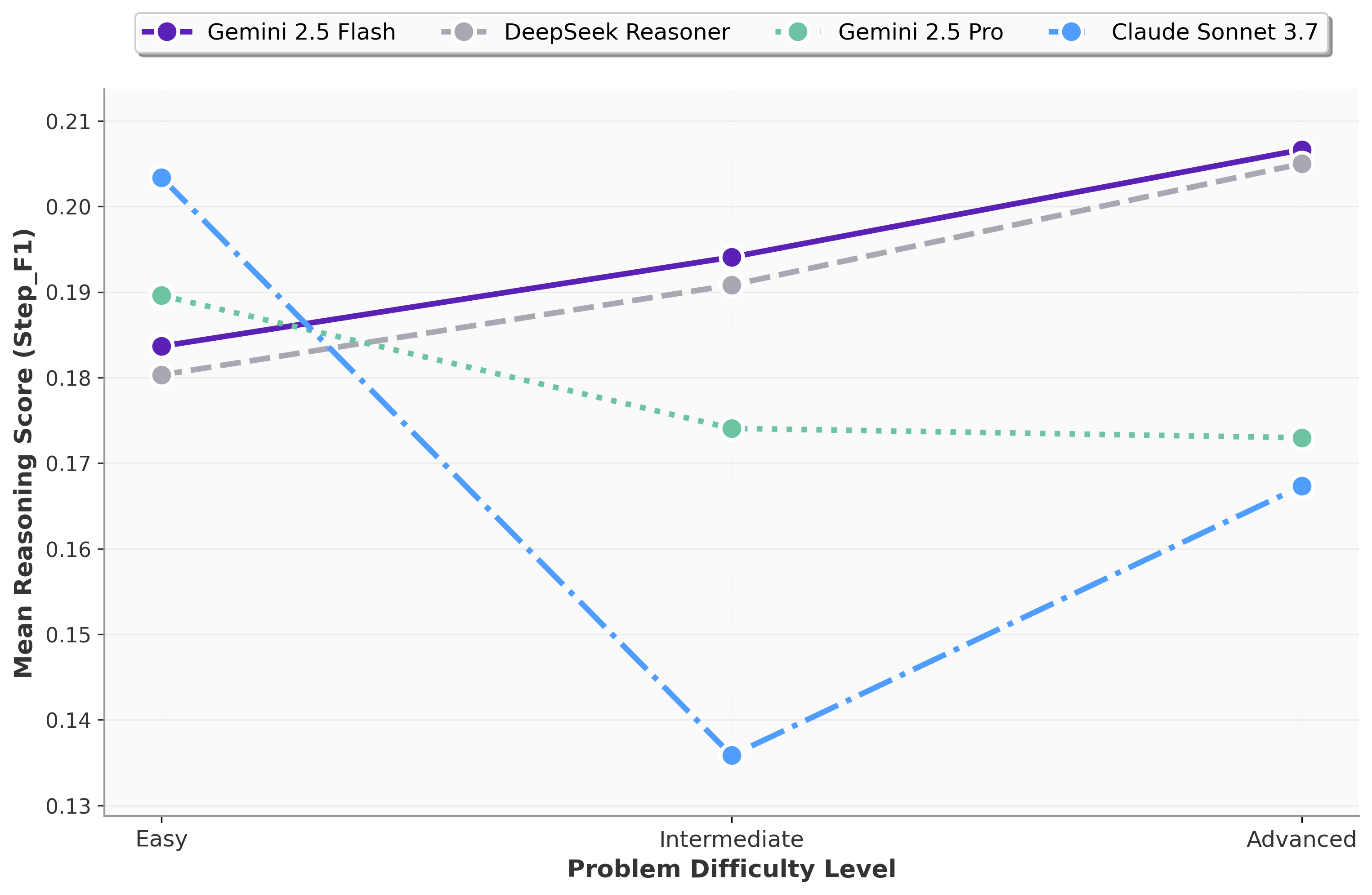
Figure 5: The "complexity cliff" — open-weights models collapse at Advanced tasks while frontier models remain stable.
Error Analysis
Beyond the automated evaluation, human domain experts applied a finer six-category error taxonomy to 2,200 annotated failure traces, stratified by difficulty tier, to diagnose root causes independently of the automated pipeline (inter-annotator agreement: Fleiss' κ = 0.524, Gwet's AC1 = 0.682).
Gemini 3.1 Pro (FAC leader) fails overwhelmingly on arithmetic (79.5% Calculation Errors), consistently identifying the correct governing equation — suggesting arithmetic execution, not physical reasoning, is the primary frontier bottleneck. DeepSeek R1 (F1 leader) shows a more distributed profile: Setup/Assumption errors rise to 21.5% (nearly double Gemini's rate), explaining the FAC-vs-F1 tension — step-level reasoning is sound but systematic problem-framing errors propagate to wrong final answers. Llama 3.1 70B tells a different story: Formula/Principle errors surge from 14.5% at Easy to 49.0% at Advanced, a 41.8 pp conceptual cliff, revealing genuine breakdown in domain knowledge rather than deteriorating arithmetic.
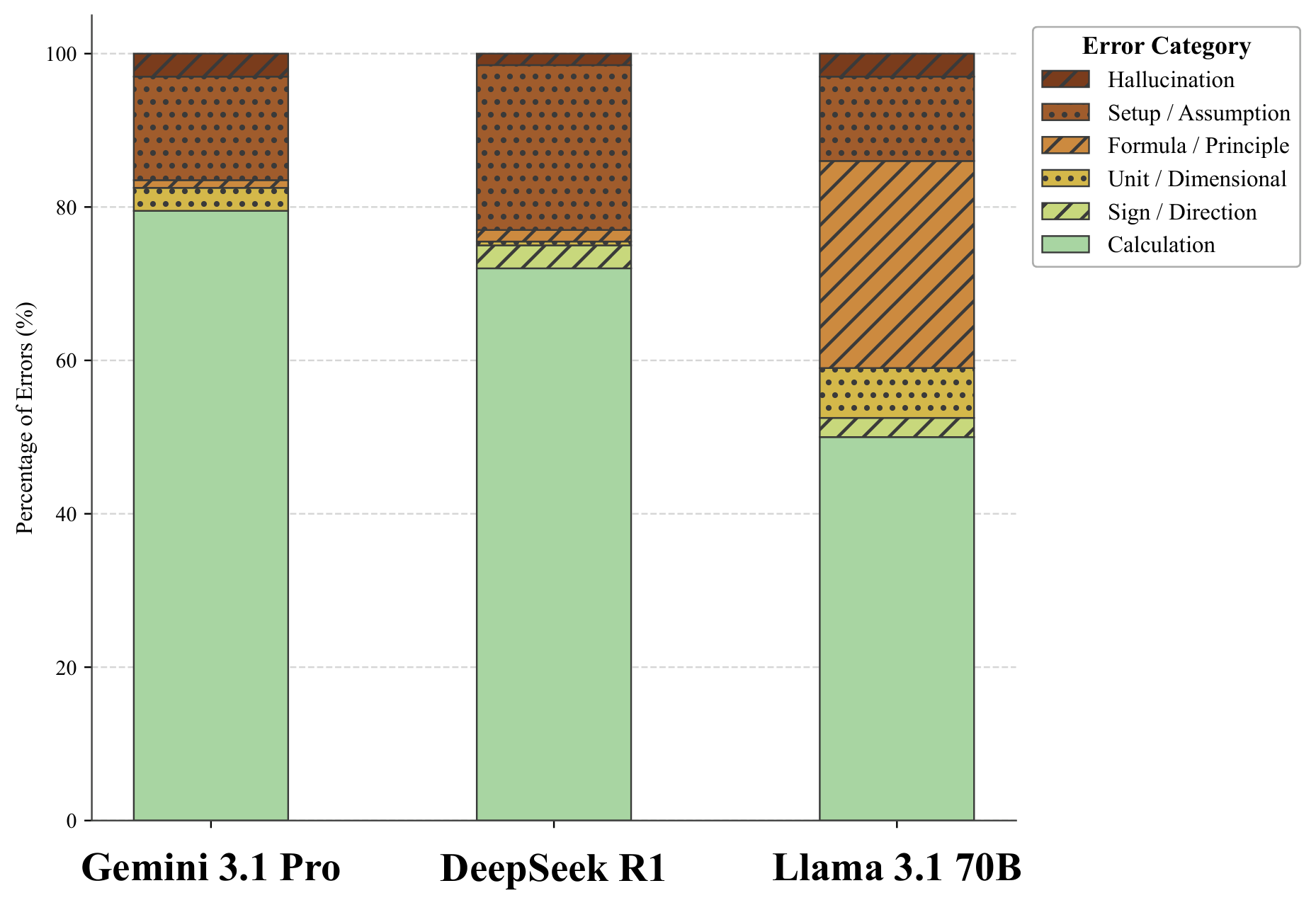
Figure 6: Error distributions for three representative models across the six-category taxonomy.